K-12 PROGRAMS

Biotechnology Field Trips - 2011/2012

SPECIAL OFFER FOR TEACHERS RETURNING TO OUR BIOTECHNOLOGY FIELD TRIPS PROGRAM!


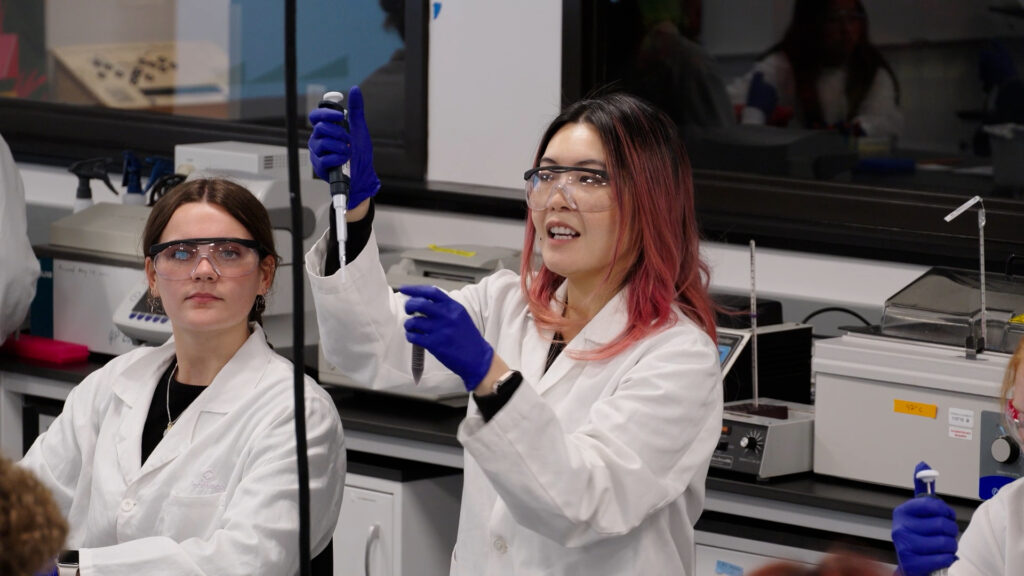
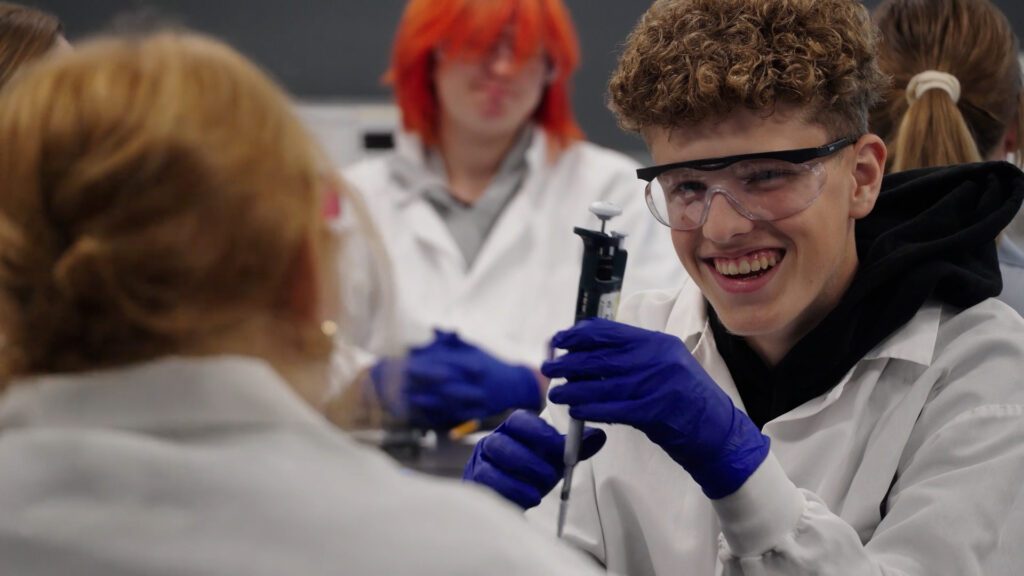
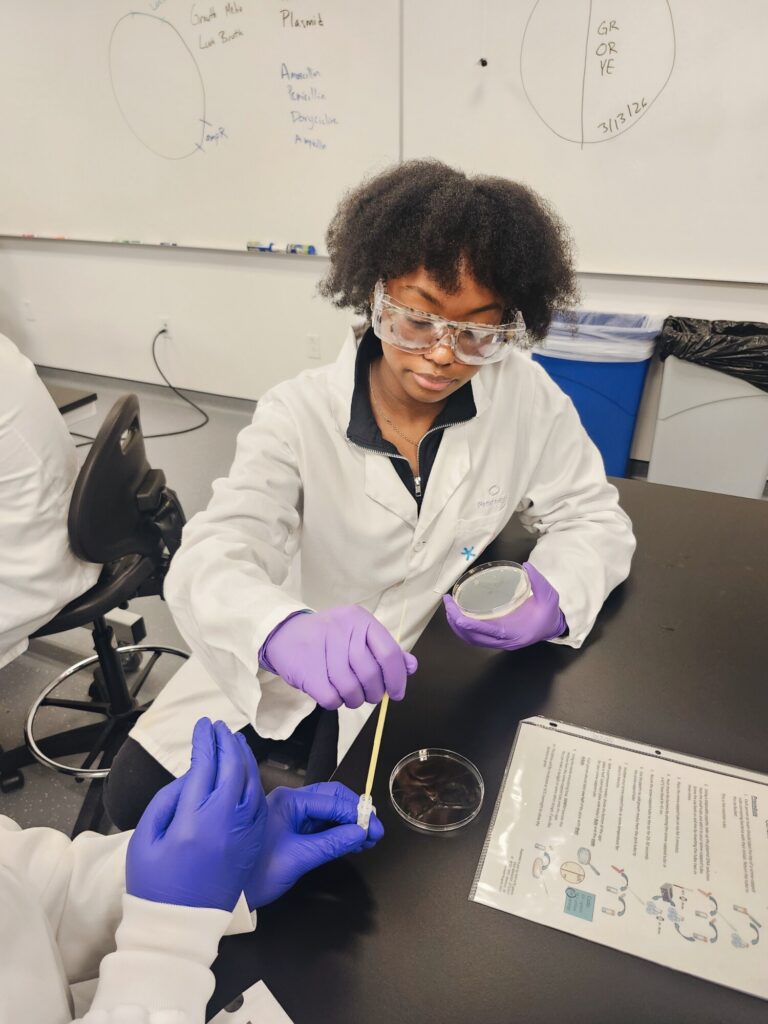
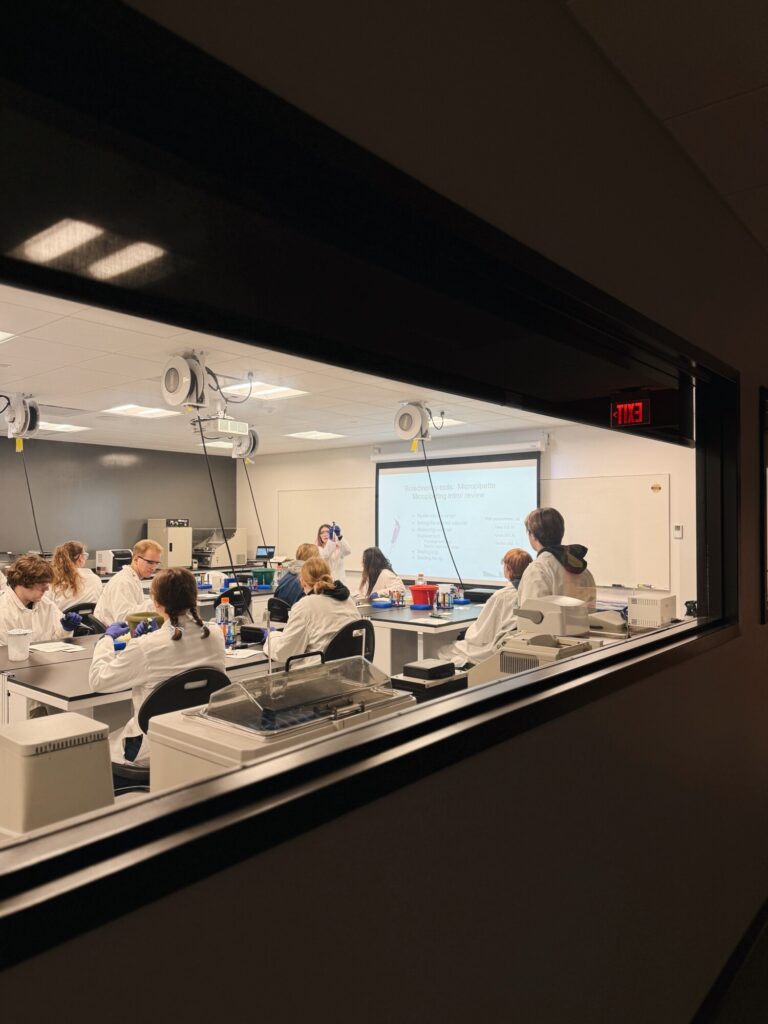
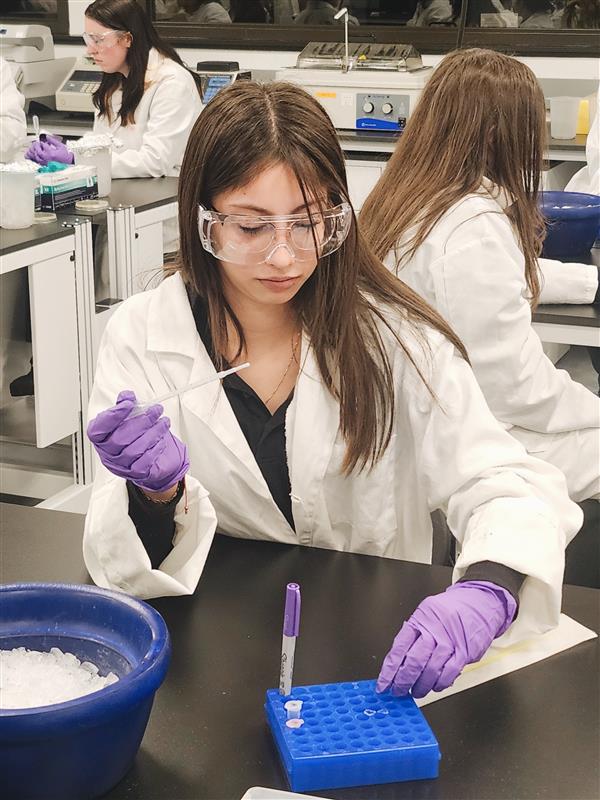
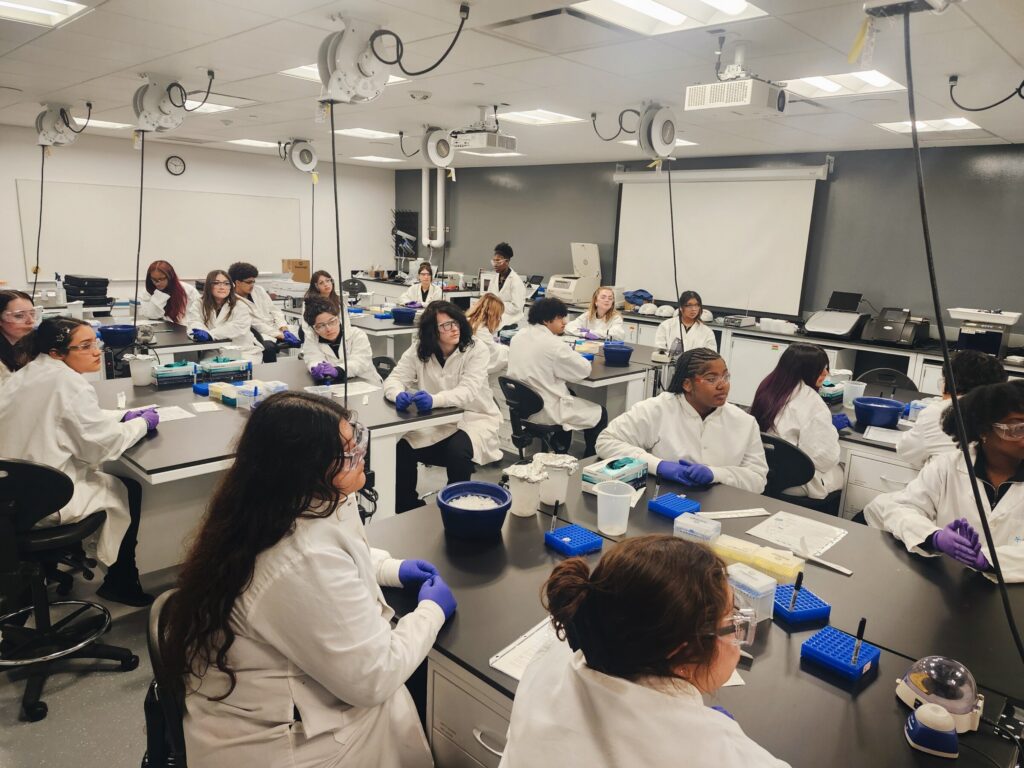
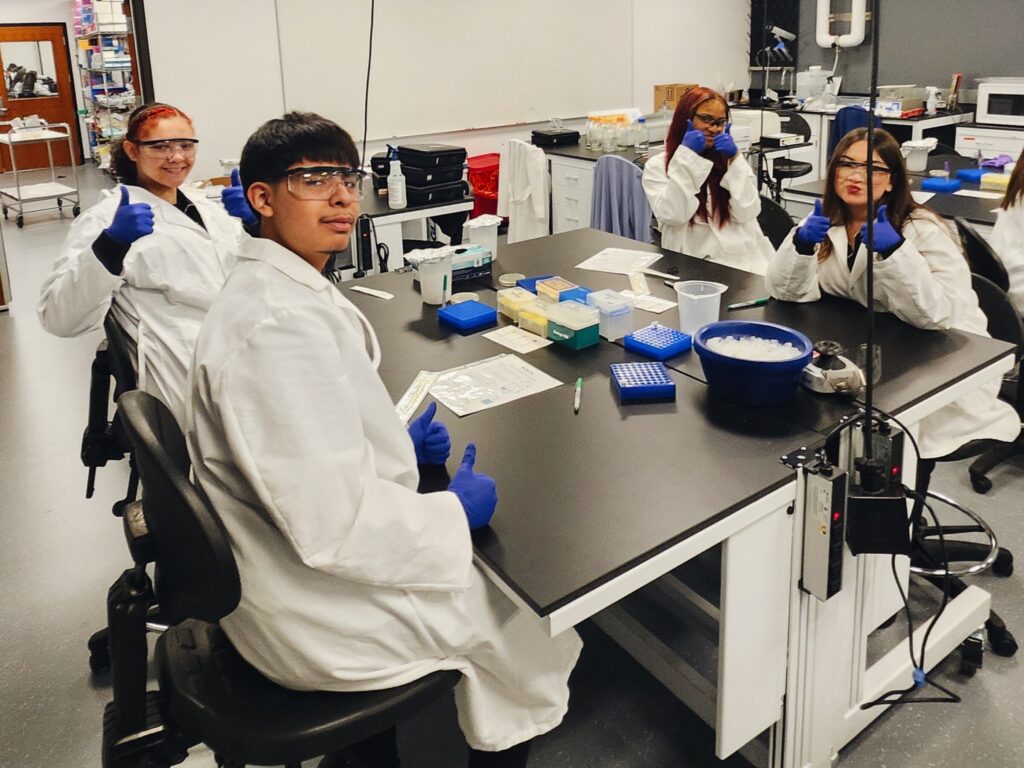
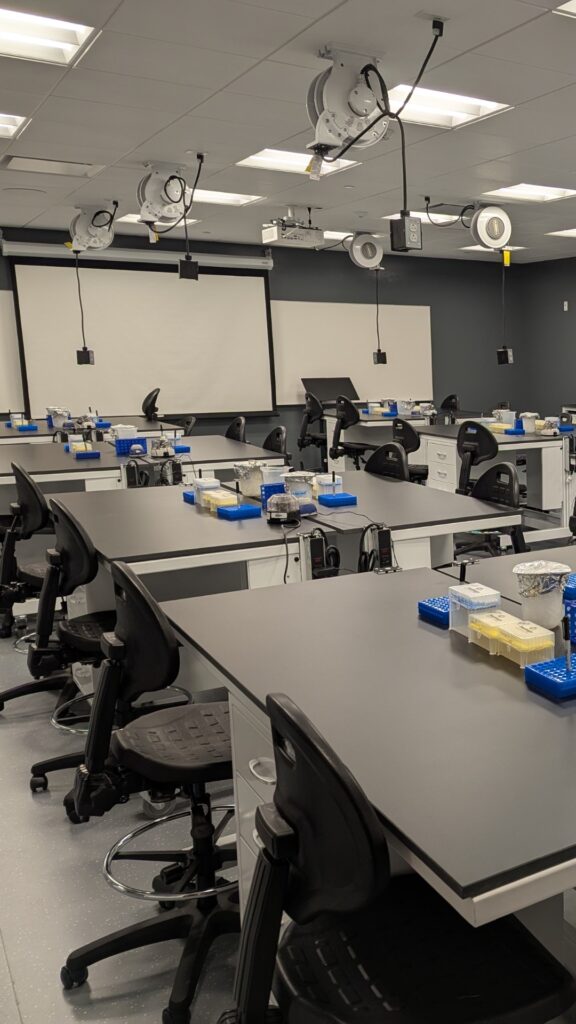
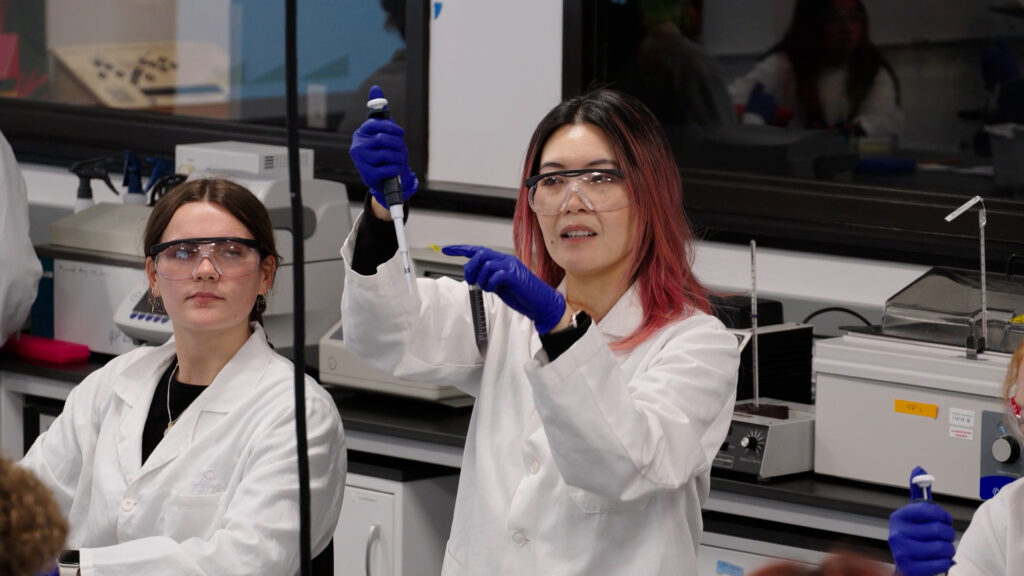
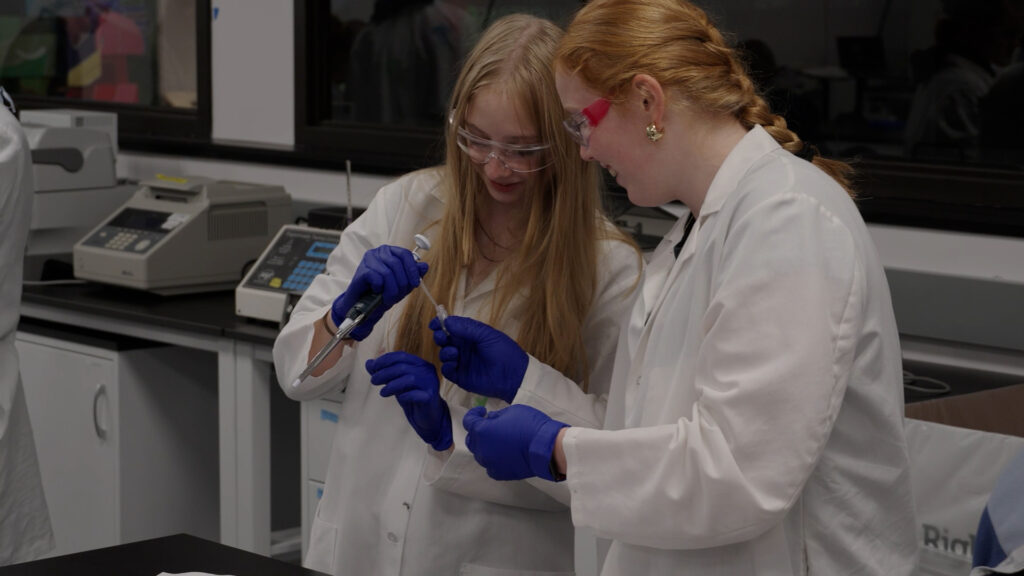
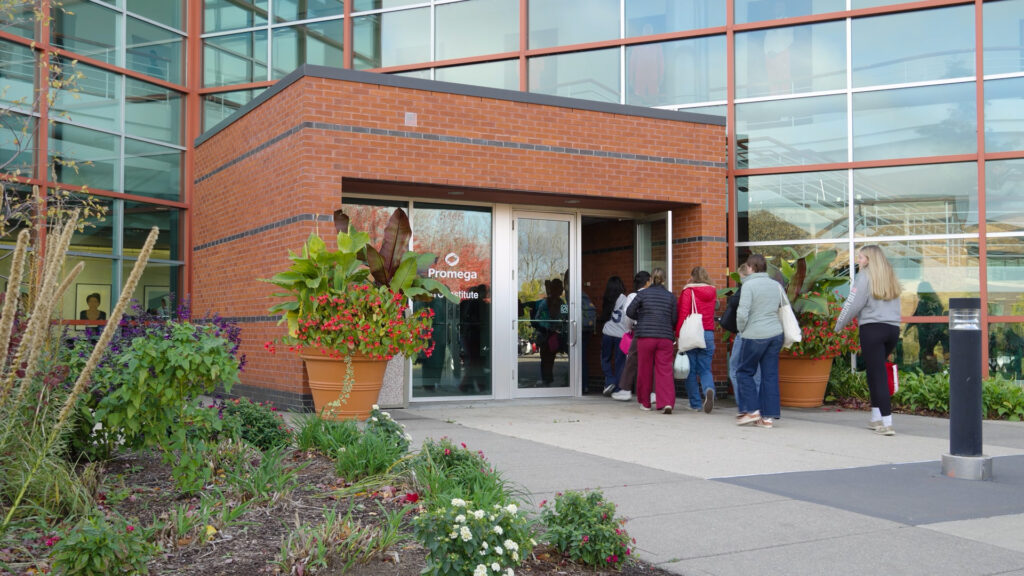
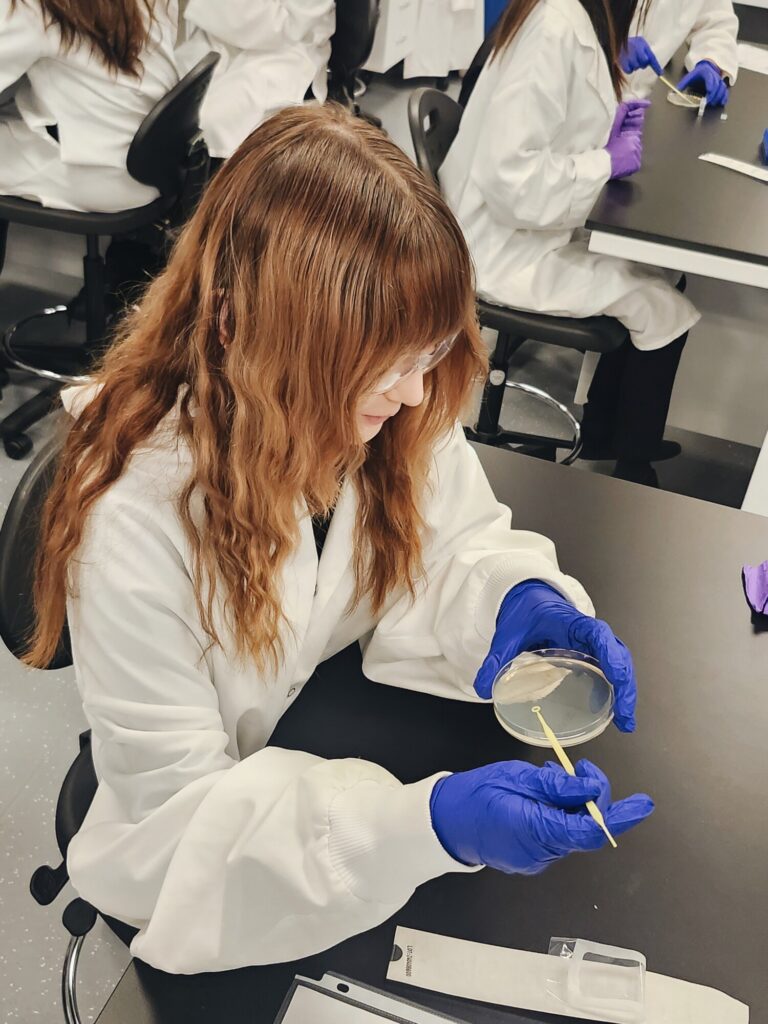
The BTC Institute offers Biotechnology Field Trips to middle and high school students and their teachers. Designed as a 1.5 - 5 hour visit to the BioPharmaceutical Technology Center, field trip experiences include hands-on laboratory experiments based on molecular biology techniques and, for high school students, an optional tour of Promega's production facilities.

Field trips are offered on Tuesdays-Fridays between 9:00 AM and 4:00 PM. This year's program features eight topics designed for students at different levels of experience. Several of these labs can be taken "on the road" to schools.

Please note:

In addition to the topics listed below, customized field trips on topics such as Green Fluorescent Protein Purification and RT-PCR may be also be arranged.

Check out our discounted combination option:

Combine Bioluminescence with one of the following: Restriction Enzyme Digest and Gel Electrophoresis of DNA, or Immunology, or PCR for Genetic Screening and reduce your total cost: if more than 15 students, $10.00/student; 15 students or less, $150.00. This is a 5 hour experience, including a 30 minute break for lunch.

Payment:

We will provide you will an invoice. You can arrange to pay by check or you may find it convenient to pay your fees on-line .

Introductory


Introductory field trips are designed for students of all levels who wish to engage both their hands and minds in a fun biotechnology activity!

Bioluminescence

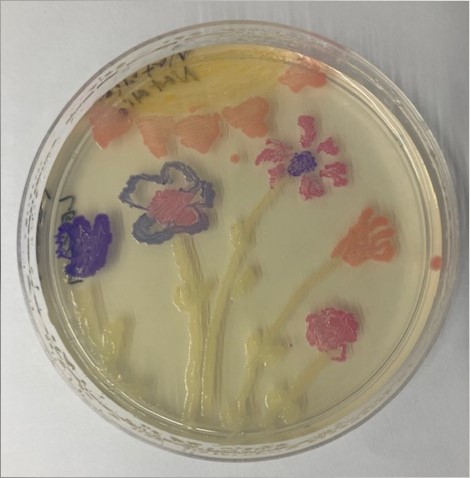
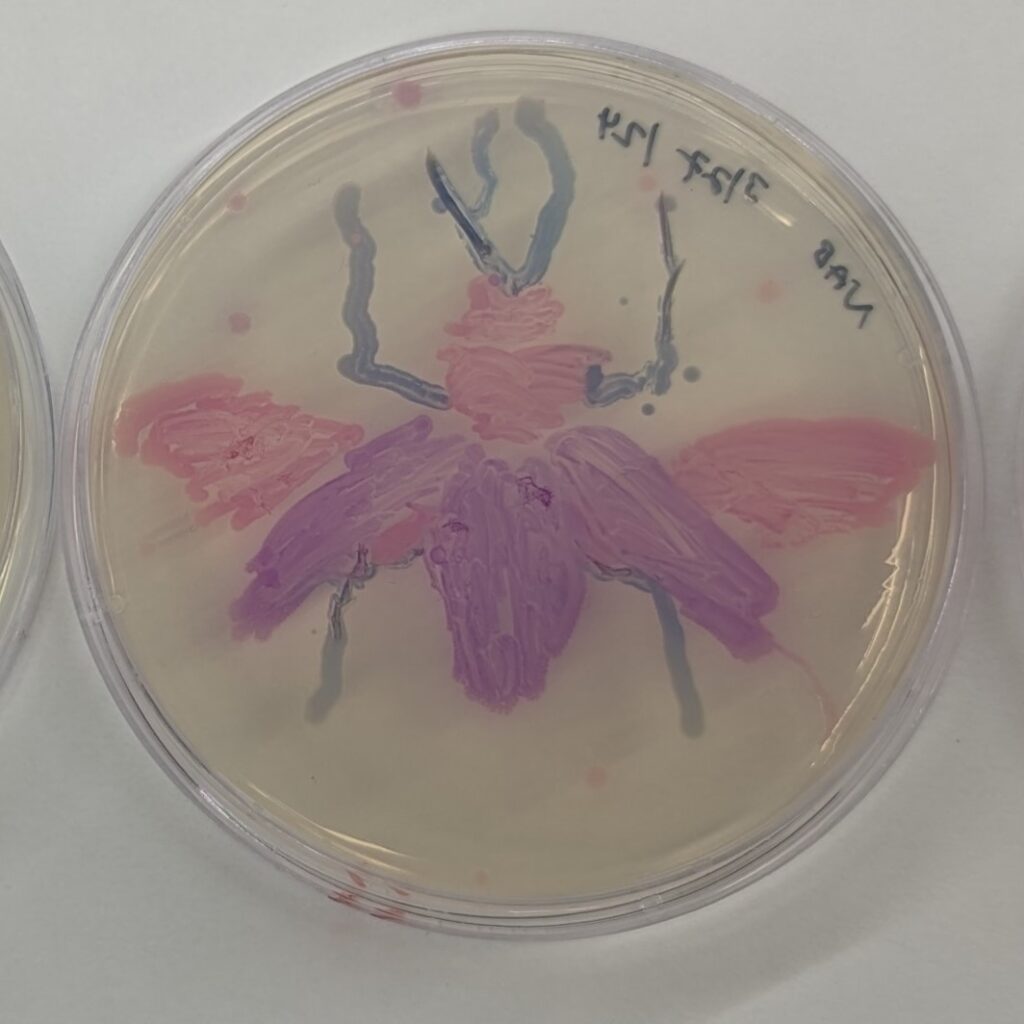
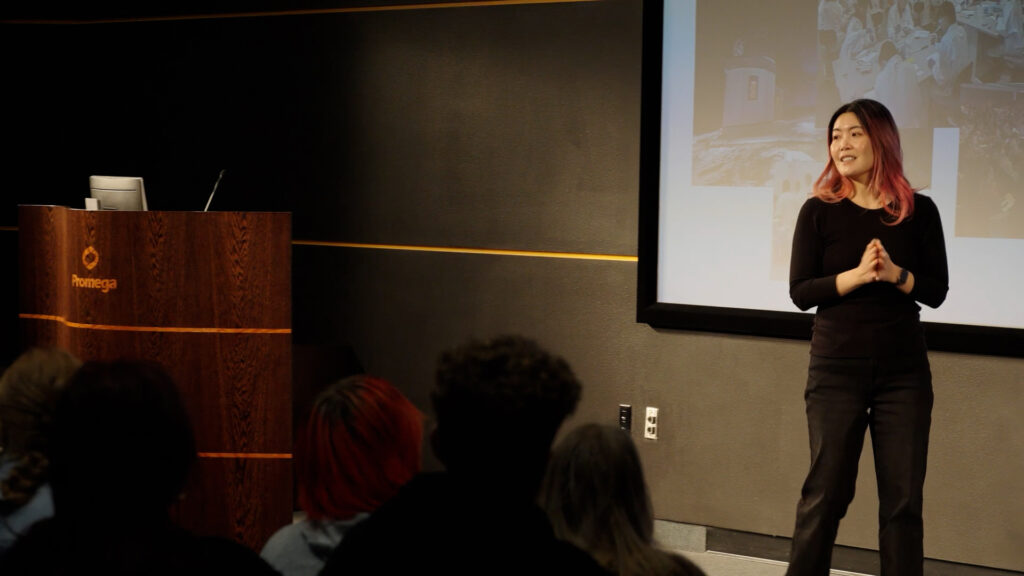
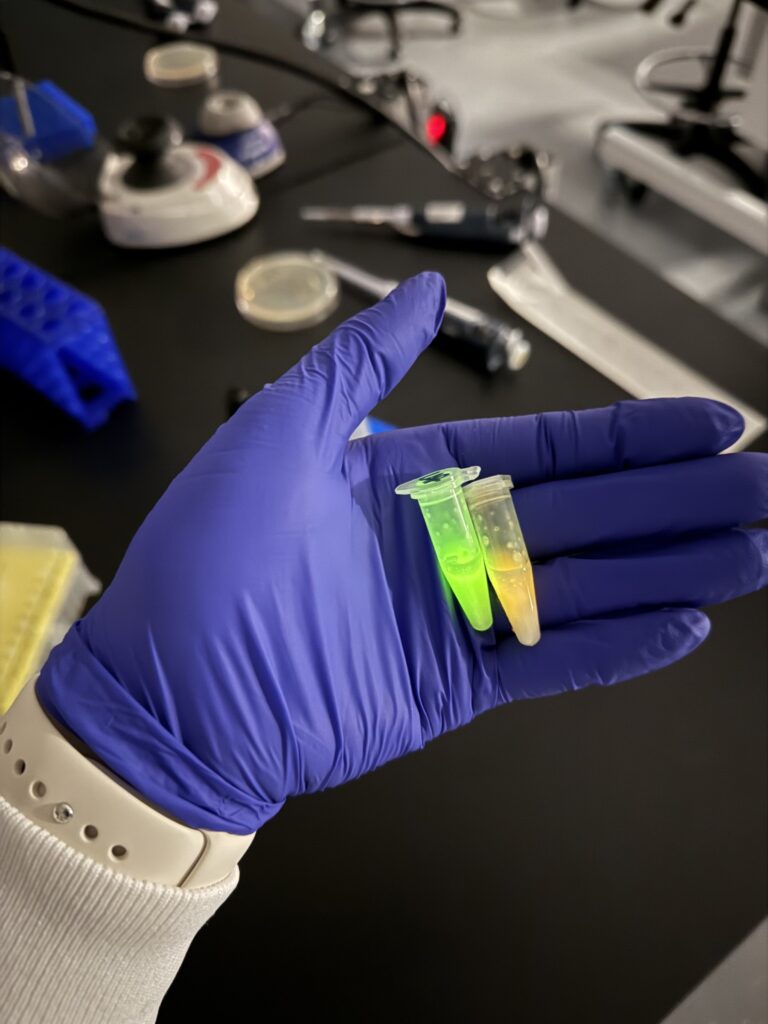
Bioluminescence uses click beetle luciferase to demonstrate the transfer of a gene into cells of another species. After a 30-minute slide show about bioluminescence, students go into the laboratory to perform a simulated genetic transformation, which transfers the luciferase gene, and the ability to make bioluminescent light, into bacterial cells.
Key topics:

  • Bioluminescence
  • DNA and genetic transformation
  • Bacteria and sterile technique

Additional Information:

Lab time: 1.5 - 2 hours
Cost: If more than 15 students, $5.00/student; 15 students or less, minimum group charge:$75.00.

We can bring the Bioluminescence Field Trip to you!

Taken on the road, the cost is $7 per student, with a minimum group charge of $105; plus mileage at $.55/mile. Hotel costs will be added for an overnight stay.

DNA & Principles of Gel Electrophoresis

DNA & Principles of Gel Electrophoresis is designed for middle school students. We build models of DNA as a way to explore the concepts of molecular size, shape and structure. Students then apply these concepts to gel electrophoresis of DNA, performing techniques such as micropipetting and gel preparation.
Key topics:

  • DNA structure and function
  • Agarose Gel Electrophoresis

Additional Information:

Lab time: 2 hours
Cost: If more than 15 students, $6.00/student; 15 students or less, $90.00.

Restriction Enzyme Digest & Gel Electrophoresis of DNA

Restriction Enzyme Digest and Gel Electrophoresis of DNA demonstrates how DNA can be specifically cut into fragments by restriction enzymes and then can be separated by fragment size on an agarose gel. Students use lambda DNA and four different restriction enzymes to prepare four different DNA digestion patterns.
Key topics:

  • DNA structure
  • Restriction enzyme function and use in cloning
  • Principles of gel electrophoresis

Additional Information:

Lab time: 2.5-3.0 hours
Cost: If more than 15 students, $7.00/student; 15 students or less, $105.00.

We can bring the RE Digest & Gel Electrophoresis of DNA Field Trip to you!

Taken on the road, the cost is $11 per student, with a minimum group charge of $165; plus mileage at $.55/mile.   Hotel costs will be added for an overnight stay.

Intermediate


Intermediate field trips are designed for students at a high school level or above who have had exposure to the concepts of molecular biology. Students that have had experience in the laboratory with micropipettes will be at a distinct advantage when they explore concepts that are fundamental to the way in which modern biotechnology works!

Immunology

Immunology focuses on the scientific use of antibodies to detect proteins in the laboratory. Students purify antibodies from egg yolks and use them to detect E.coli and Salmonella proteins on a membrane.
Key topics::

  • Antibody structure and function
  • Protein isolation
  • Antibody/antigen interactions

Additional Information:

Lab time: 3.0 hours
Cost: If more than 15 students, $7.00/student; 15 students or less, $105.00.

We can bring the Immunology Field Trip to you!

Taken on the road, the cost is $11 per student, with a minimum group charge of $165; plus mileage at $.55/mile. Hotel costs will be added for an overnight stay.

Polymerase Chain Reaction (PCR)

Polymerase Chain Reaction (PCR) explains the principles and uses of this very powerful technique.  Each student sets up a PCR reaction using different DNA templates.  While the PCR reaction is running, they pour agarose gels and then assay their PCR products on the gels.  The gels are photographed and can be used to determine the sizes of the DNA products.
Key topics:

  • DNA replication and DNA polymerases
  • PCR reaction components and their functions
  • Gel electrophoresis and DNA size determination

Additional Information:

Lab time: 3 hours
Cost: If more than 15 students, $7.00/student; 15 students or less, $105.00.

Stem Cell Presentation

A one hour presentation/discussion regarding stem cell technology can be added to any field trip experience for high school and college students for a $20 fee.

Advanced


Advanced field trips are geared toward students that are advanced high school level or above. They utilize a more sophisticated set of molecular concepts and ask students to relate those concepts to the world around them. In order to guarantee that your students benefit from these experiences, prior experience with PCR, DNA electrophoresis, and the use of micropipettes is highly recommended.

PCR to Detect Genetically Modified Organisms

PCR to Detect Genetically Modified Organisms utilizes the polymerase chain reaction (PCR) to identify genetically modified corn from a variety of food products including corn chips and cornmeal.  Using a magnetic purification system, students isolate DNA from a food product of their choice. Samples are amplified using PCR and DNA products will be analyzed using agarose gel electrophoresis.
Key topics:

  • Genetically Modified Organisms (GMOs), their benefits and risks
  • PCR reaction components and their functions
  • Gel electrophoresis and DNA size determination
  • DNA isolation from food

Additional Information:

Lab time: 5 hours including a 30 minute lunch break
Cost: If more than 15 students, $9.00/student; 15 students or less, $135.00.

Short Tandem Repeats and Genetic Identity

Short Tandem Repeats and Genetic Identity teaches in detail how DNA identification is really done by forensic and paternity laboratories. DNA is purified from instructor cheek swabs and used to set up PCR reactions. Students then examine data from short tandem repeat (STR) amplifications to learn how the results are used to determine a person's genetic identity.
Key Topics::

  • DNA purification from samples
  • Polymerase chain reaction amplification of short tandem repeat DNA regions
  • Analysis of STR data for human genetic identity

Additional Information:

  • Background
  • Additional Information for Teachers
  • Protocol
  • Set-up

Lab time: 4 to 5 hours
Cost: If more than 15 students, $9.00/student; 15 students or less, $135.00.